
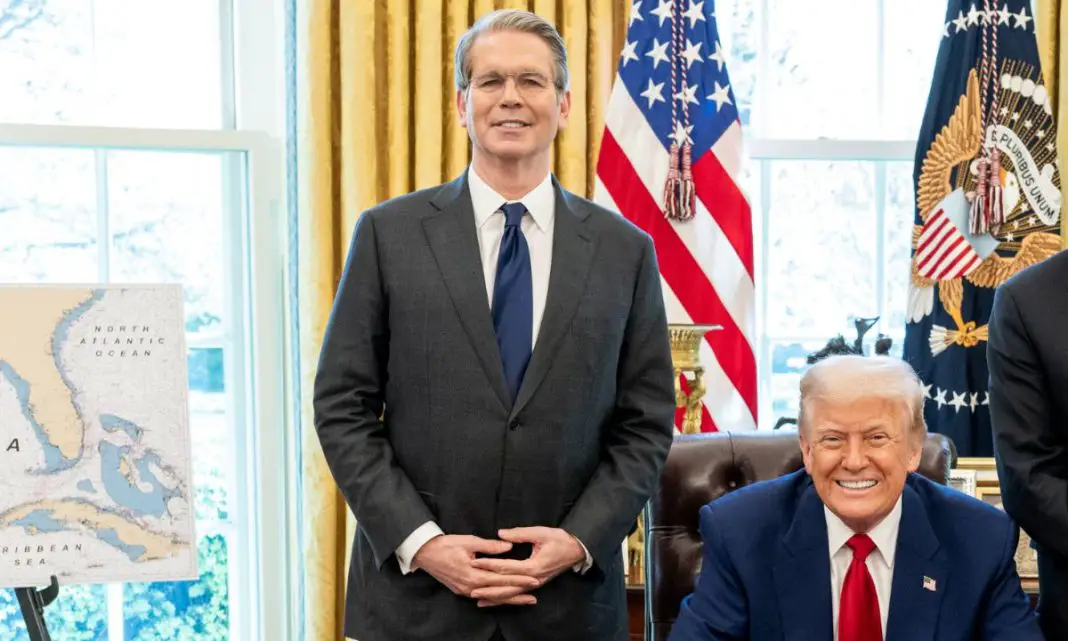

Shocking Scale of Waste, Fraud, and Abuse Revealed
Treasury Secretary Scott Bessent recently disclosed that the federal government loses between 5% and 10% of its entire budget each year to waste, fraud, and abuse—amounting to hundreds of billions of dollars stolen from hardworking American taxpayers.
Citing Government Accountability Office (GAO) estimates, he pointed to annual fraud losses ranging from $233 billion to $521 billion during fiscal years 2018-2022, with the figure potentially reaching $300 billion to $600 billion today given the growth in federal spending.
Bessent emphasized the broader toll: improper payments alone have cost taxpayers about $2.8 trillion since fiscal year 2003, while the IRS tax gap—uncollected taxes owed—stands at around $606 billion as of fiscal year 2022.
In a recent interview, he stated: “If we can get rid of this waste, fraud, and abuse, we can finance a safer, sounder US with that, without taking on more debt. Sounds like a pretty good outcome to me.”
High-Profile Examples Highlight the Problem
The revelations come amid intense scrutiny of specific scandals, including Minnesota’s welfare system, where federal prosecutors estimate $9 billion has been stolen since 2018 through fraudulent nonprofits that billed for unprovided services like child nutrition and food aid.
One notorious case involved the defunct Feeding Our Futures nonprofit, which siphoned over $250 million in COVID-era relief funds meant for school meals.
Similar issues are under investigation in states like New York (where a Medicaid program lost $1.2 billion to fraud) and California (facing probes over $1.3 billion in improper healthcare payments).
These cases illustrate how taxpayer money intended for vulnerable Americans—such as feeding hungry children or supporting disabled seniors—ends up diverted to criminals, often funneled abroad or used for personal luxury.
Administration’s Push to Protect Taxpayers and Reallocate Savings
The Trump administration has made cracking down on this theft a priority, with Bessent arguing that curbing these losses could help fund critical needs like a $500 billion boost to the defense budget—addressing years of military neglect—without adding to the national debt or raising taxes.
President Trump has sought even larger military increases to prepare for global challenges, and recovering even a portion of the squandered funds would provide real relief to American taxpayers facing high deficits and rising debt interest payments (now exceeding military spending at about $970 billion annually).
Efforts include Justice Department probes into nationwide fraud, Treasury investigations into money transfers tied to schemes, and earlier initiatives like the Department of Government Efficiency (DOGE) aimed at rooting out waste.
Vice President JD Vance has described the fraud as a “nationwide” betrayal of the American people, vowing accountability. By shining a light on these issues and pursuing recoveries, the focus remains on ensuring every dollar hard-working taxpayers send to Washington actually serves the nation’s interests rather than enriching fraudsters.
Are you worried about waste and fraud in the government? Let us know what you think by posting in the comments section!

Waste and fraud sucks-the people cooking up the way to de-fraud us should use their “smarts” in an honest way