
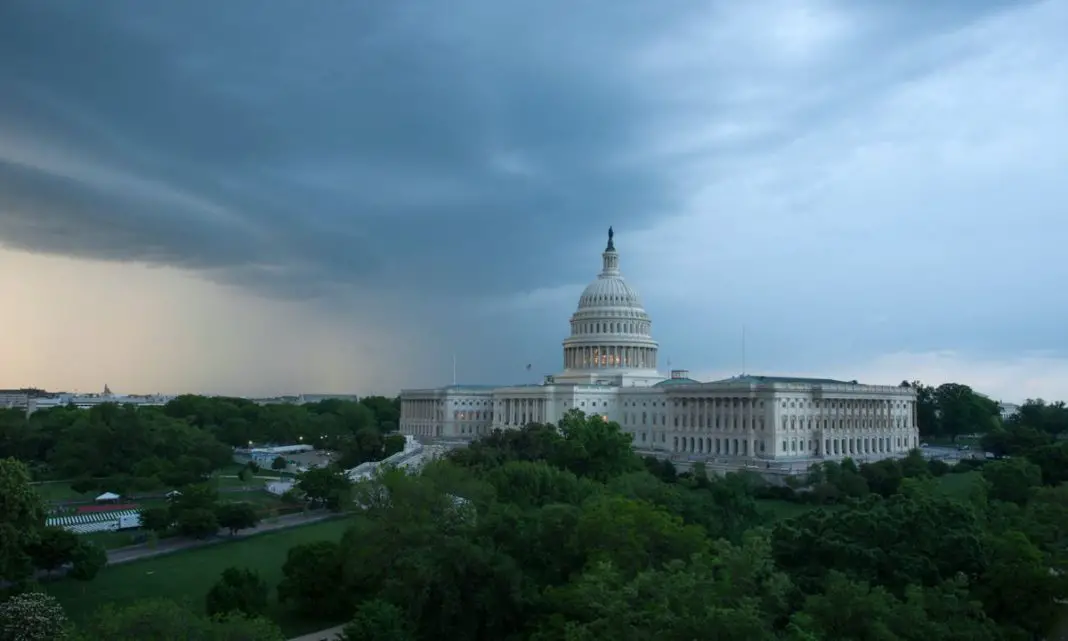

Smith’s Overreach Exposed: Grilled on Secret Subpoenas of GOP Lawmakers
Former special counsel Jack Smith faced intense scrutiny during his January 22, 2026, testimony before the House Judiciary Committee, compelled to justify his team’s aggressive tactics in subpoenaing phone records from prominent Republican members of Congress without fully disclosing their identities to judges.
Appointed in November 2022 to probe President Donald Trump’s handling of classified documents and 2020 election challenges, Smith’s investigation led to indictments, but his methods now raise serious questions about ethical boundaries and potential abuse of power.
Critics argue this reflects a partisan witch hunt, where Smith prioritized expansive surveillance over constitutional safeguards, targeting figures like former House Speaker Kevin McCarthy, House Judiciary Chairman Jim Jordan, and eight GOP senators including Lindsey Graham, Bill Hagerty, Marsha Blackburn, Josh Hawley, Dan Sullivan, Tommy Tuberville, Ron Johnson, and Cynthia Lummis.
Rep. Darrell Issa lambasted Smith for violating separation of powers by having the executive branch snoop on legislative records while keeping the judiciary in the dark.
Displaying a board labeled “Biden’s enemies list,” Issa drew parallels to Nixon-era abuses, declaring: “You, like the president’s men for Richard Nixon, went after your political enemies. They’re not your political enemies, but they sure as h*ll were Joe Biden’s political enemies, weren’t they? They were Harris’ political enemies. They were the enemies of the president, and you were their arm.”
Questionable Tactics: Hiding Targets from Judges in Pursuit of “Conspiracy”
Smith’s team secured non-disclosure orders for these congressional toll records—non-content data like call logs—without informing the approving judges that the subjects were members of Congress, a move that reeks of deliberate obfuscation to evade oversight.
This revelation stems from Smith’s earlier private deposition and underscores concerns that his probe morphed into an unchecked dragnet, potentially infringing on legislative independence. When pressed by Ranking Member Rep. Jamie Raskin on the legality and rationale, Smith defended the subpoenas as essential for a “thorough investigation,” but his explanations only highlight the breadth of his fishing expedition.
“So, it’s perfectly lawful what you did. Explain why you wanted those toll records?” Raskin asked. Smith replied: “We wanted to conduct a thorough investigation of the matters that were assigned to me, including the attempts to interfere with the lawful transfer of power. For the conspiracy that we were investigating, it was relevant to get full records to understand the scope of that conspiracy.”
“That’s normal investigative practice, right?” Raskin followed up, to which Smith said: “In conducting a criminal investigation, securing non-content toll records, as you described, is a common practice in almost any complex concern.”
Admissions Under Fire: Smith’s Defense Falls Short Amid Accusations of Bias
Despite Smith’s insistence on following protocol, his admission that his office withheld the lawmakers’ identities from judges—”We did not provide that information to the judge when we requested a non-disclosure order consistent with the law and consistent with department”—fuels suspicions of selective transparency and political motivation.
The hearing, building on prior closed-door testimony, exposes how Smith’s tenure as special counsel may have weaponized the Justice Department against political opponents, eroding trust in impartial justice.
As Republicans push for accountability, this episode cements views of Smith as a zealous prosecutor whose actions skirted ethical lines in a bid to target Trump and his allies.

How are you?