
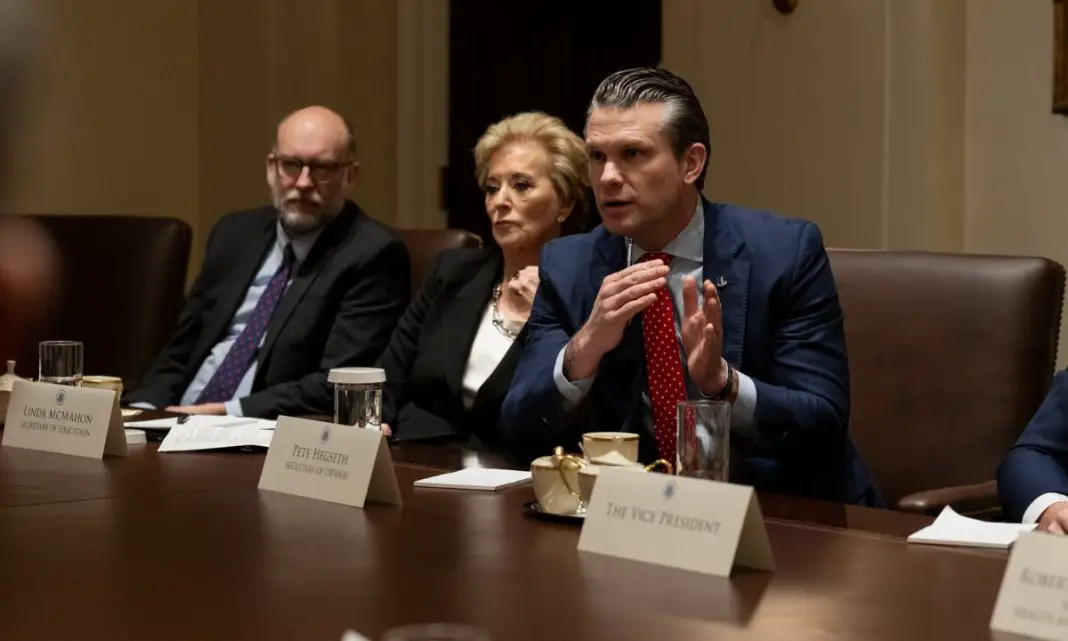

In a bold move that’s shaking up the military establishment, Secretary of War Pete Hegseth has just pulled the trigger on removing Colonel Dave Butler from his high-profile position as chief of Army public affairs and senior advisor. This decision marks yet another step in the aggressive push to overhaul the Pentagon’s top brass, aligning it more closely with America’s real priorities.
The timing couldn’t be more telling. Hegseth dropped this order right as Driscoll was packing his bags for Geneva, where he’s set to lead the U.S. team in those dragged-out talks on the Ukraine conflict. No more delays; the Pentagon needs leaders who get the mission without the baggage.
Driscoll put out a polite send-off in a statement to The Washington Post, saying: “We greatly appreciate Col. Dave Butler’s lifetime of service in America’s Army and to our nation,” and noting that Butler was “an integral part of the Army’s transformation efforts.”
Dig a little deeper, and Butler’s history screams establishment insider. He ran public affairs for the Joint Chiefs of Staff back when General Mark Milley was calling the shots as chairman. That crowd has long been a thorn in the side for anyone loyal to President Trump’s vision.
Milley’s time in charge turned into a total flashpoint during the Trump administration. As the top dog in the Joint Chiefs, he caught massive heat from Trump supporters after reports surfaced that he secretly assured Chinese generals the U.S. wouldn’t launch any attacks during the 2020 transition. Trump blasted it as “an act so egregious that, in times gone by, the punishment would have been DEATH.”
The fallout was swift and severe. The Pentagon yanked Milley’s personal security team and stripped his security clearance. On top of that, they launched several investigations into his actions, digging into what many see as overreach.
Hegseth led the charge on those measures—revoking the security perks and kicking off the probes. It all boils down to years of bad blood between Milley and the Trump team, fueled by his chats with foreign leaders and his lectures on civilian oversight.
Officially, the War Department hasn’t pinned Butler’s ouster on his ties to Milley. But come on—the sequence of events and the steady stream of shake-ups at the Pentagon point to major clashes over how to lead and what messages to send out.
Now that Hegseth has taken over the reins, he’s been on a mission to revamp the Defense Department’s upper echelons. Reports from Fox News highlight how dozens of top officers, including four-star generals from various branches, have been sidelined, forced into retirement, or shuffled out of critical spots. The department calls it a laser focus on core missions, and that’s exactly what America needs.
Butler’s case stands out even more because he’s been eyeing that first star on promotion lists for two straight years.
Hegseth has been holding back approvals for a bunch of officers picked by the Army’s selection board, raising red flags about their fit. In a twist, Butler stepped up and pulled his own name off the list to break the deadlock.
This purge isn’t happening in a vacuum. The Pentagon is juggling these internal power shifts while handling massive global responsibilities, like those shaky peace negotiations in Europe and the Middle East.
Lawmakers and defense watchers are already gearing up to grill the department on these moves. They want to know how these personnel swaps affect America’s ability to present a strong, unified stance in high-stakes talks.
At the end of the day, Hegseth’s actions send a clear message: the days of entrenched bureaucrats calling the shots are numbered. It’s about putting America first, not protecting the old guard.
If this keeps up, we might finally see a military leadership that’s tough, loyal, and ready to tackle threats without the distractions of past loyalties. Butler’s exit is just the latest win in that fight.

Thank God. At last we are getting rid of military leaders who’s mindsets are not in lockstep with the ideas of democracy our forefathers envisioned when they formed this nation.