
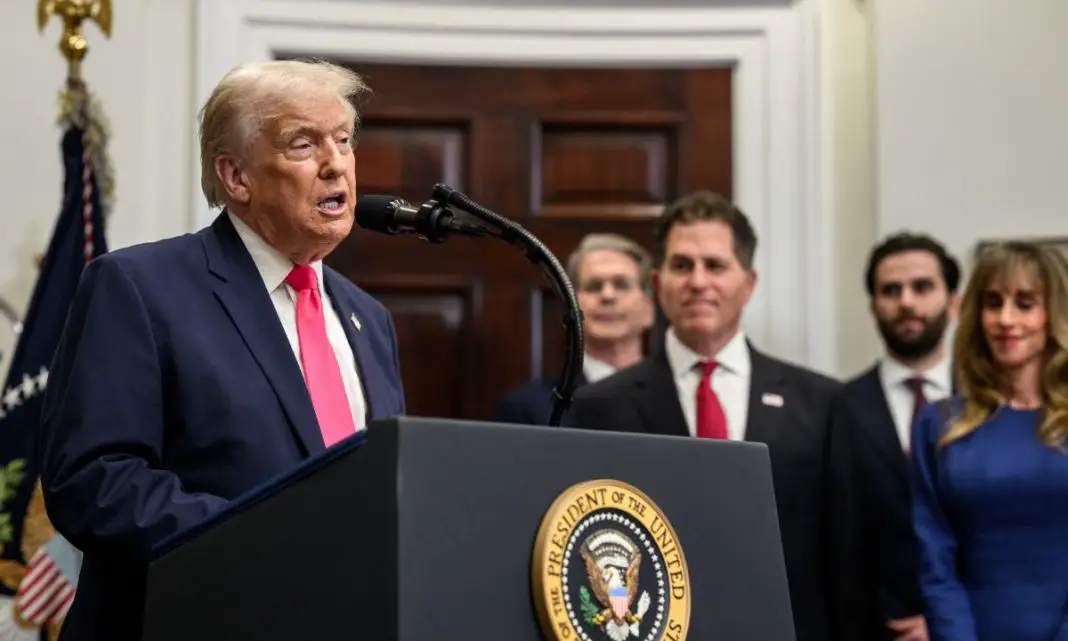

Trump Demands Real Burden-Sharing from Allies
President Donald Trump continues to deliver the straightforward leadership many Americans support—insisting that U.S. allies step up for their own defense instead of relying on American taxpayers and military strength. Amid escalating tensions with Iran and questions about NATO’s effectiveness in protecting key shipping lanes like the Strait of Hormuz, Trump sharply criticized Spain’s low contributions and uncooperative stance.
On Truth Social, Trump posted: “Has anybody looked at how badly the country of Spain is doing. Their financial numbers, despite contributing almost nothing to NATO and their military defense, are absolutely horrendous. Sad to watch!!!”
In March, Trump made his position even clearer, stating he had asked Treasury Secretary Scott Bessent “to cut off all dealings with Spain.” His message is consistent: alliances work best when every member pulls its weight, especially when facing shared threats from regimes like Iran that destabilize the region and endanger global security.
Spain’s Troubling Position on Iran and NATO
Spanish Prime Minister Pedro Sanchez has taken a notably resistant approach, refusing to allow the U.S. to use Spanish military bases for refueling or operations related to actions against Iran. He has publicly opposed U.S. and Israeli efforts, calling them contrary to Spanish “values and interests,” and promoted a “No to the war” slogan even as Iran continues its nuclear ambitions, ballistic missile programs, and support for terrorism.
Sanchez stated: “We are not going to be complicit in something that is bad for the world and is also contrary to our values and interests, just out of fear of reprisals from someone.”
During a visit to China, he added: “I find it very difficult to find other interlocutors, beyond China, who can resolve this situation in Iran and the Strait of Hormuz.”
Critics point out additional concerns, including Spain’s past exports of dual-use technology to Iran that may have violated U.N. sanctions, as well as Sanchez’s strong anti-Israel rhetoric, including labeling Israel a “genocidal state,” downgrading ties, and recognizing a Palestinian state—positions that have drawn praise from groups like Hamas.
Prioritizing Strong Alliances and American Interests
Trump’s criticism underscores a core principle: NATO and other partnerships should strengthen collective security, not serve as one-way arrangements where the United States carries a disproportionate load. When allies like Spain contribute “almost nothing” to defense while blocking practical cooperation against dangerous adversaries, it weakens the entire alliance and emboldens threats.
Questions have also arisen in Spain about whether Sanchez’s confrontational posture toward Trump is driven more by domestic political needs than principle. Conservative journalist Javier Negre observed: “The stance of President Pedro Sánchez against President Donald Trump is neither improvised nor based on convictions. It is purely electoral marketing. He has realized that by confronting the most powerful president in the world and getting Trump to speak about him, he achieves two things: first, he positions himself in the media as the leading figure of the global left and globalism against the new right.” Negre added that it also “diverts attention from the corruption scandals that have led to investigations involving his wife and his brother.”
President Trump’s approach—pressing for fair contributions, holding allies accountable, and refusing to accept excuses when security is on the line—reflects a clear-eyed focus on putting America first while expecting real partnership from friends.
In a dangerous world with threats from Iran and beyond, reliable alliances built on mutual respect and shared responsibility are more important than ever. Weak links and political posturing only make collective defense harder to achieve.

Spain is a socialist country bordering on Marxism ever since they had their style of what is called a civil war.
https://shorturl.fm/KBtpb